Category: News

  • Reptiles at Risk: The Common Snapping Turtle and Eastern Ribbonsnake

    Reptiles at Risk: The Common Snapping Turtle and Eastern Ribbonsnake

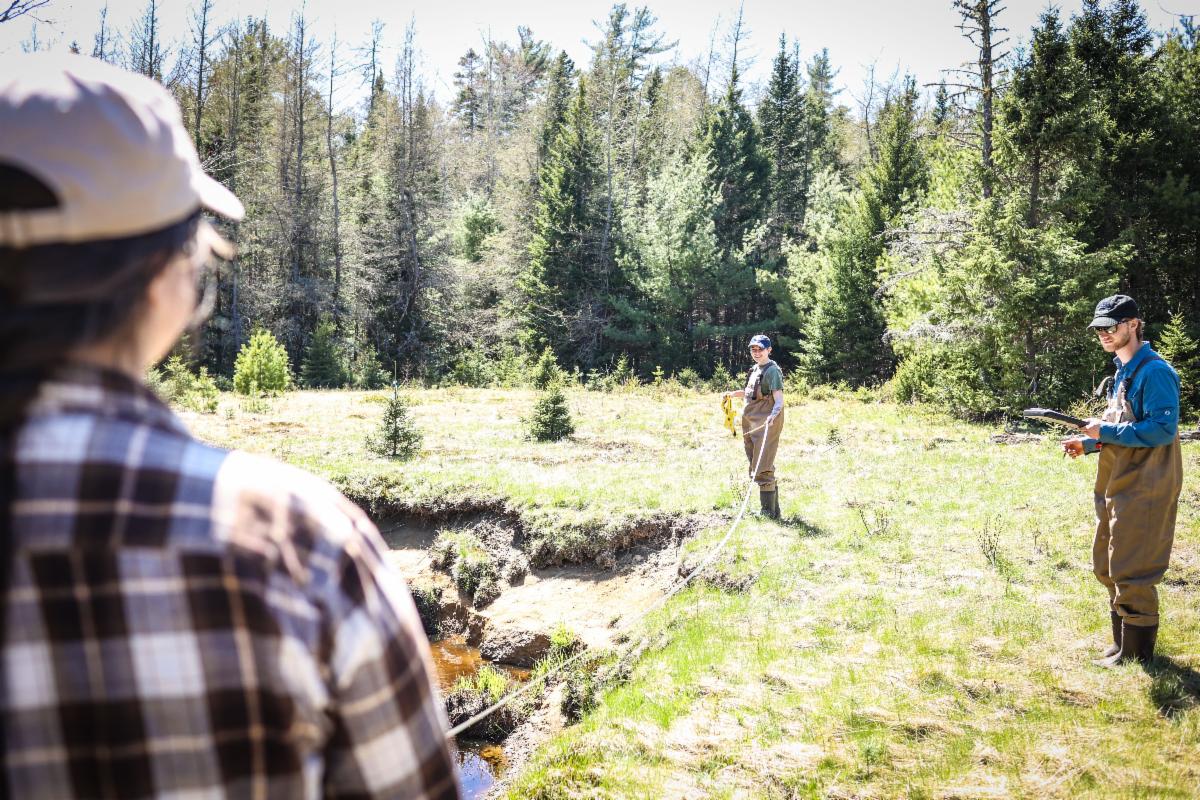
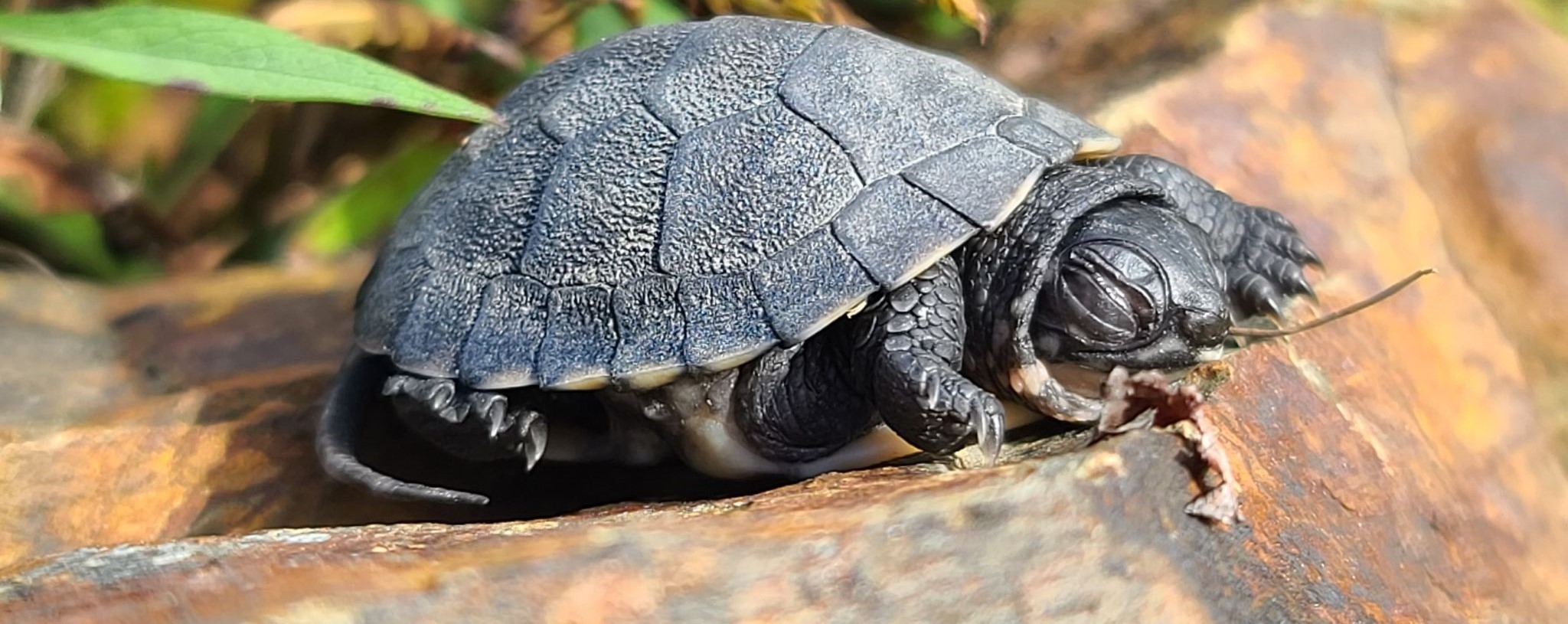
    Globally, reptiles are one of the most threatened groups of vertebrates with 77% of Canadian reptile species currently in decline. Five reptile species in Nova Scotia are at risk and face a range of threats, yet they are generally understudied or cryptic, making gathering accurate information difficult. In 2020, Coastal Action began working with at-risk reptiles. The goal, to increase local population data for snapping turtles (Chelydra serpentina) and Eastern ribbonsnakes (Thamnophis saurita), while educating and engaging citizens, and facilitating stewardship and restoration activities. 

    Through generous funding, established methodologies, and proper wildlife and ethics permitting, Coastal Action continues to engage with the public to monitor these two at-risk reptiles to this day. This year (2024) we’ve hit a milestone, successfully doubling our monitored population of common snapping turtles within our study area. This helps us gather a more in-depth understanding of this species and helps us better mitigate the threats they face.

    Noah Hardy
    Species at Risk & Biodiversity Project Coordinator
    Coastal Action
    Email: [email protected]

  • Biologically Diverse Habitat Conserved for Long-Term Benefit of at-Risk Species by Nature Conservancy of Canada 

    Biologically Diverse Habitat Conserved for Long-Term Benefit of at-Risk Species by Nature Conservancy of Canada 

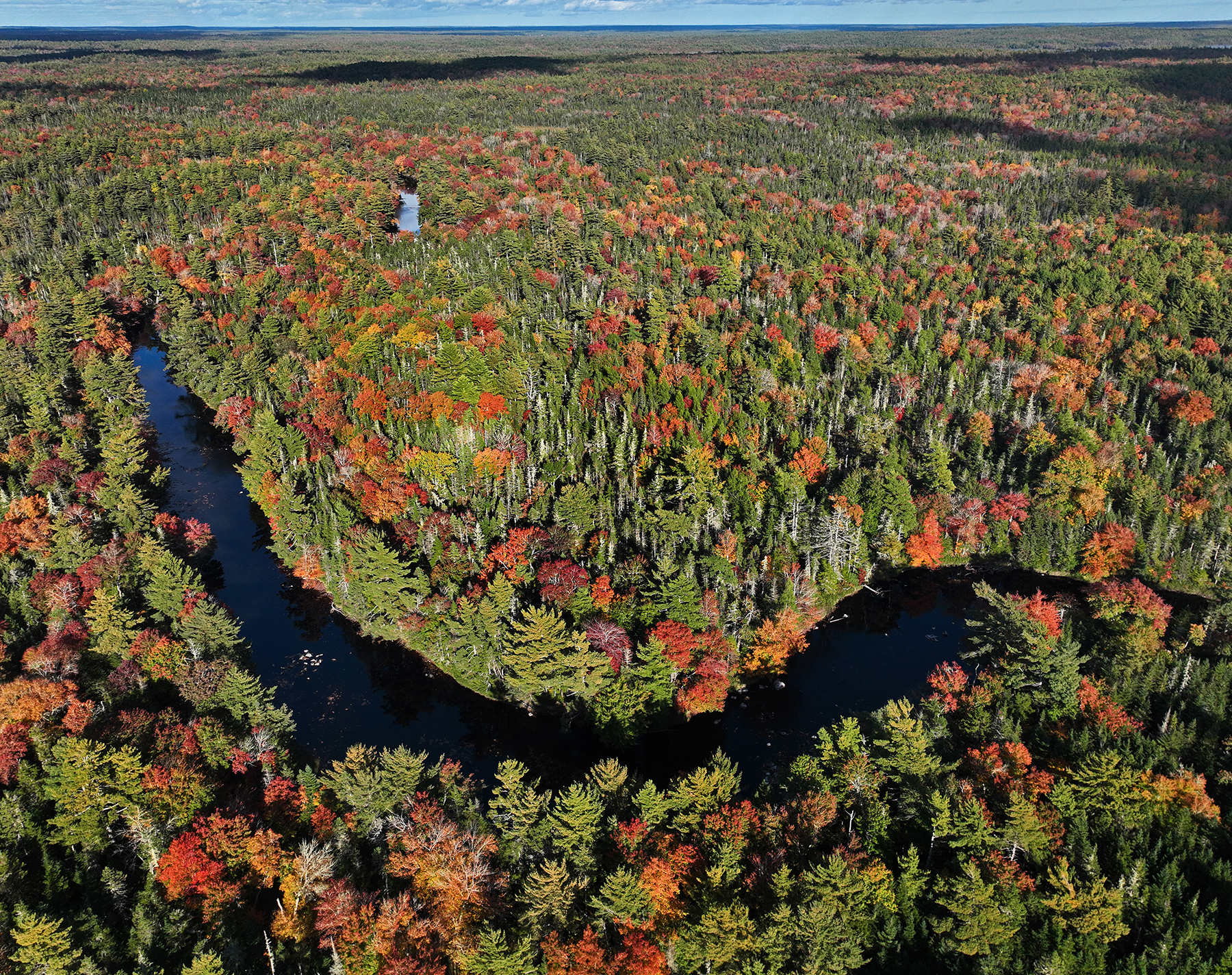
    Shelburne, NS (October 25, 2024) – An expanse of old forest, riverfront shoreline and freshwater wetlands has been purchased by the Nature Conservancy of Canada (NCC) in southwestern Nova Scotia. The new nature reserve is comprised of two properties totalling over 578 hectares of ecologically diverse habitat where a large assortment of at-risk species thrives. 

    Located approximately 20 kilometres north of Shelburne, NCC’s Clyde River Nature Reserve is situated near two provincially protected areas: the Roseway River Wilderness Area and the Harpers Lake Nature Reserve. The proximity of these conservation lands increases the area of protection where plants can flourish and wildlife can continue to roam undisturbed.  

    This important land purchase was made possible thanks to the generosity of individuals, private donors and funding from Nova Scotia Crown Share Land Legacy Trust and the Government of Canada, through the Natural Heritage Conservation Program, part of Canada’s Nature Fund. 

    Nearly 82 per cent of the nature reserve is composed of Wabanaki (Acadian) forest, including red maple, black spruce, white pine, balsam fir, hemlock and red oak. The mixed forest provides ideal breeding habitat for birds listed under Canada’s Species at Risk Act, such as Canada warbler (special concern), common nighthawk (special concern) and olive-sided flycatcher (special concern). Wildlife dependent on the area include bear, beavers, foxes and white-tailed deer. Nova Scotia’s provincial flower, mayflower, is also found throughout the forest, along with several types of rare lichens: black foam lichen (threatened), powdered moon lichen (endangered) and vols ears lichen (endangered). 

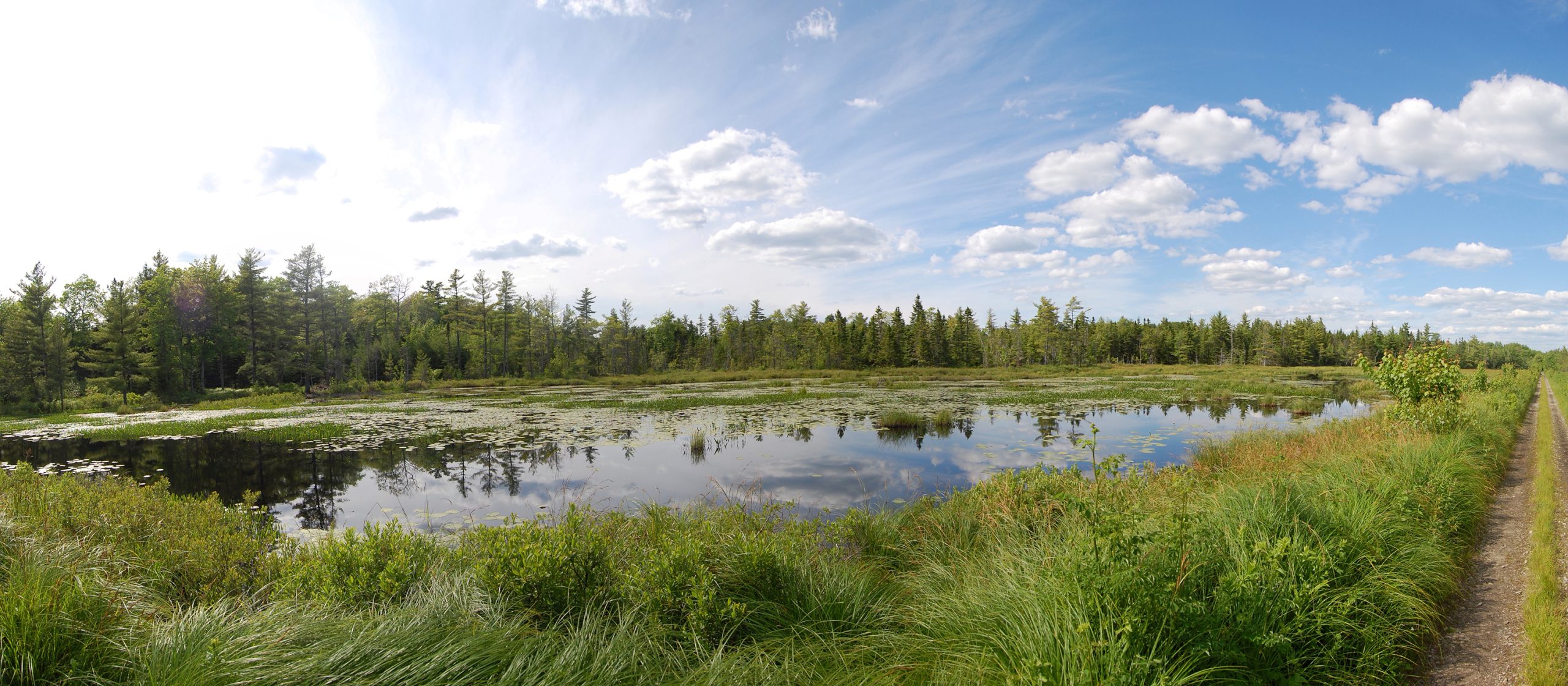
    The wetlands include 42 hectares of treed and open bog, marsh and swamp, and an active beaver habitat. In addition to wildlife, the wetlands provide ideal conditions for rare plants, like hairy swamp loosestrife, Virginia meadow beauty and long-leaved panic grass. Over four kilometres of the Clyde River runs adjacent to the eastern side of the two properties. A section of Harper Creek weaves through the southern property before joining the Clyde River, which flows out to the Atlantic Ocean. 

    This project showcases how NCC is accelerating the pace of conservation in Canada. Over the next few years, the organization will double its impact by mobilizing Canadians and delivering permanent, large-scale conservation. 

    In the face of rapid biodiversity loss and climate change, nature is our ally. There is no solution to either without nature conservation. When nature thrives, we all thrive. 

    Quotes 

    “Through the Natural Heritage Conservation Program, the Government of Canada is making progress toward its goal of conserving 30 per cent of lands and waters in Canada by 2030. By working with partners such as the Nature Conservancy of Canada, we are helping to protect the natural environment in Nova Scotia and across the country. Protecting this area not only preserves wetlands and Wabanaki (Acadian) Forest, but also helps species at risk like the common nighthawk and black foam lichen. Only by engaging in a whole-of-society approach can we meet our conservation goals.” – The Honourable Steven Guilbeault, Minister of Environment and Climate Change   

    “Our ongoing work in Kespukwitk (Southwest Nova Scotia)—one of eastern Canada’s most biologically diverse regions—remains a top priority for NCC. The establishment of the Clyde River Nature Reserve is a natural extension for this protected and interconnected landscape for at-risk species. NCC is deeply grateful for the collaborative efforts of the Kespukwitk Conservation Collaborative, as well as the generous support from private donors and government partners.” – Dave Ireland, NCC program director in Nova Scotia 

    Contact

    Andrew Herygers, Communications Manager 

    Nature Conservancy of Canada 

    C: 902-880-8108 

    [email protected] 

    Learn more 

    Visit: natureconservancy.ca 
    Twitter: @NCC_CNC 
    Find us on Facebook 

  • Nova Scotia Nature Trust protects Species-at-Risk Habitat on New Conservation Lands

    Nova Scotia Nature Trust protects Species-at-Risk Habitat on New Conservation Lands

    The Nova Scotia Nature Trust recently announced its securement of two new properties in the priority area of Kespukwitk /Southwest Nova Scotia. Both properties offer immense conservation value and will now be protected in perpetuity.

    The first property, Salmon Lake, is comprised of 347-acres and a kilometre of shoreline, across six parcels of land. Although the property has a history of logging activities, there is relatively mature forest conditions prevalent throughout, as well as two watercourses that flow into the lake. Part of the Tusket River watershed and recognized as a Priority Place for providing important habitat for at-risk Atlantic Coastal Plain Flora (ACPF), this acquisition supports habitat for the at-risk Pink Coreopsis and Spotted Pondweed, along with several other rare plants and at-risk birds. Of the ACPF-inhabited lakes in the area, Salmon Lake is the most impacted due to several factors, including heavy cottage and residential development, threats from OHV use, infilling, and forestry. This Nature Trust securement marks the lake’s first protected place, which will help prevent the impact of these threats and fill a gap in the existing conserved areas system.

    The second property now under the care of the Nova Scotia Nature Trust is a 40-acre addition to their existing Deep Brook Bog conservation lands. Generously donated by Wayne and Bertha Fiddes, this area comprises two parcels of ecologically significant land bordering a trail near Pleasant River. The land supports a combination of mixedwood and hardwood forests, and tree and shrub-dominated swamps and wetlands. Importantly, these donated lands are designated Critical Habitat for the endangered Blanding’s Turtle and the Eastern Ribbonsnake and contain potential habitat for several other Species at risk, including the Olive-sided Flycatcher and Canada Warbler, as well as Wrinkled Shingle Lichen. Deep Brook Bog is located several hundred meters from the Pleasant River Woodlands Conservation Lands and is in proximity to other existing Nature Trust properties and portions of the Pu’tlaqne’katik Wilderness Area. The Nature Trust is incredibly grateful to the Fiddes as their incredible gift of land will now be protected forever. The land donation qualifies as an Ecogift under Canada’s Ecological Gifts Program, a conservation incentive program providing landowners with special income tax benefits in recognition of their contribution to protecting Canada’s biodiversity.

    Additional funding for the securement of both of these Kespukwitk /Southwest Nova Scotia area acquisitions was provided to the Nature Trust by the Canada Nature Fund (Priority Place-Species at Risk Program) and the Nova Scotia Crown Share Land Legacy Trust. Stewardship to ensure the long-term care and protection of the properties is made possible through generous donations to their Twice the Wild Campaign.

  • Read the Coastal Chronicle, April Edition

    Read the Coastal Chronicle, April Edition

    You might be eligible for a free shoreline makeover!
    Do you live on the shorelines of Sherbrooke Lake, Fox Point Lake, or Lake Torment?
    Is your shoreline lacking vegetation and suffering from erosion, compaction, or beach loss?
    Then we’ve got a win-win proposition for you!
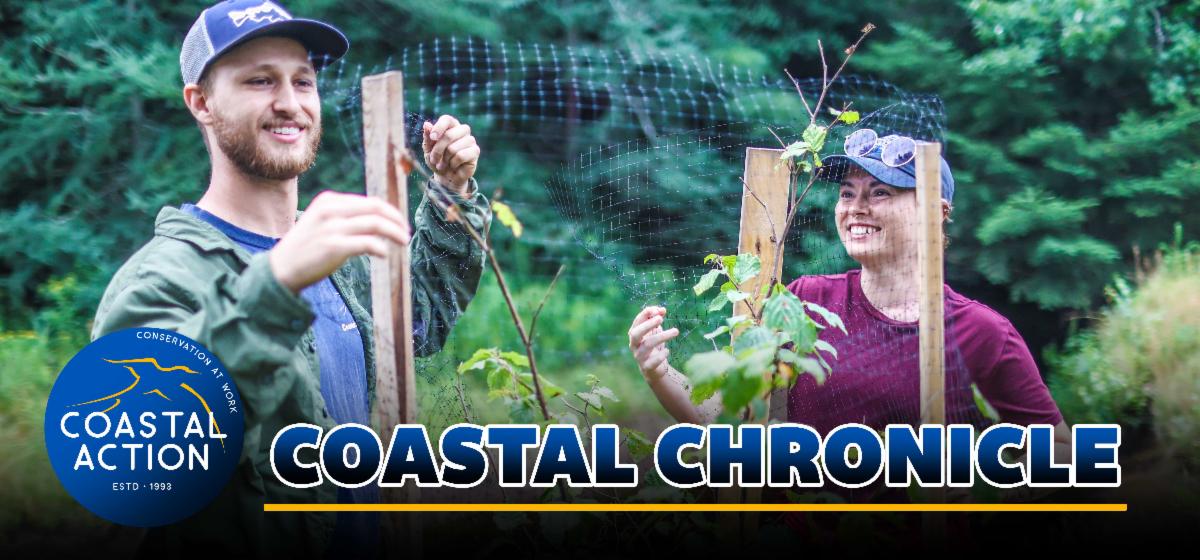
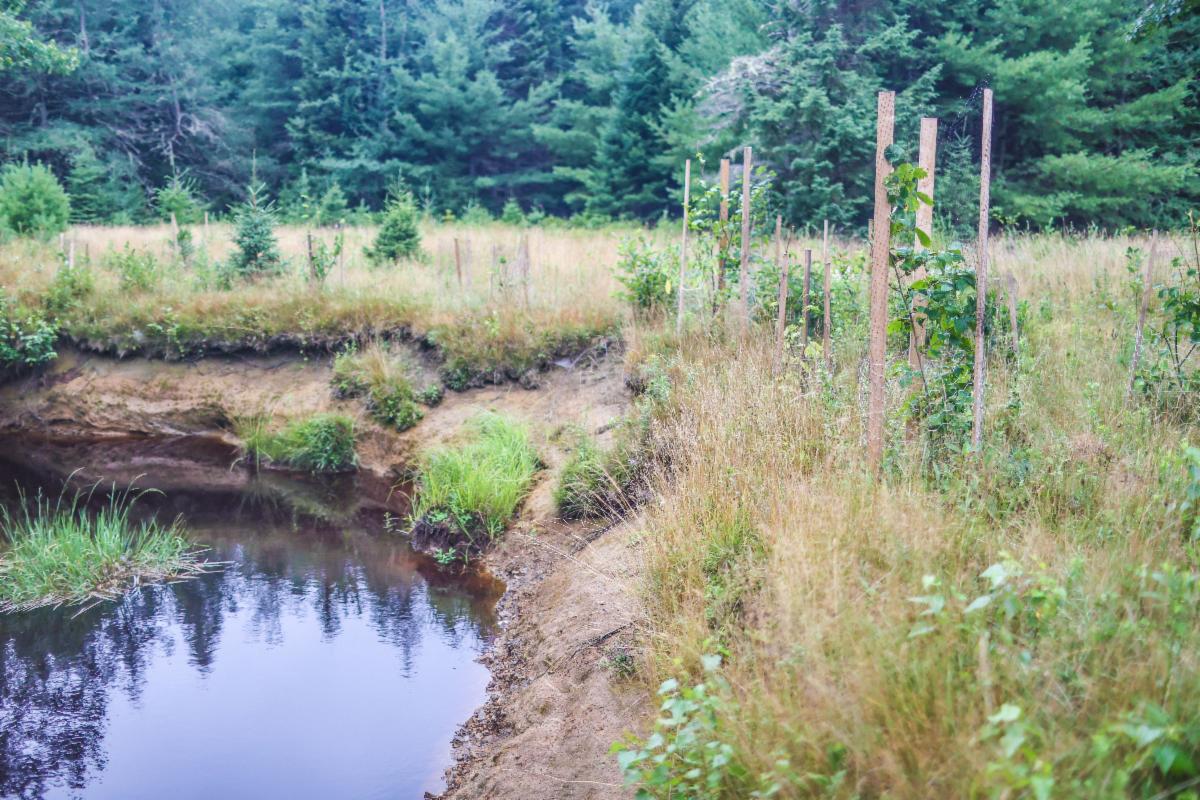
    We want to give your shoreline a free landscaping makeover. We’ll work with you to select native plants that won’t obstruct your view or restrict your lake access. If beavers or deer are an issue on your property, we’ll protect your new plants. You can grab a shovel and join, or sit back and watch our Watersheds & Water Quality Team do the work!
    How does this help us? Lakes in our region are increasingly suffering from algal blooms and other water quality problems. One of the best ways to protect lake health is to maintain a vegetated shoreline. Pollutants like fertilizer nutrients and bacteria are slowed, filtered, and absorbed by a well-vegetated shoreline.
    This work is part of our Stewards for Freshwater: Restoring and Protecting Freshwater Ecosystems project, which is funded by Environment and Climate Change Canada’s EcoAction Program.
    If you live on one of our target lakes, reach out to Kaylee MacLeod to set up a site visit today. If you know someone on these lakes, please share this opportunity with them!
    Act fast, we’re looking for the four properties that could benefit the most from a vegetated buffer!
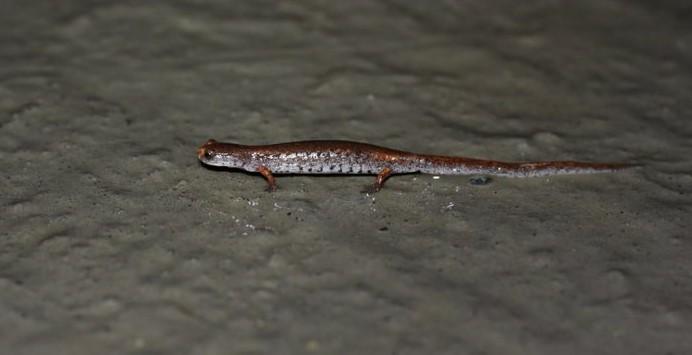
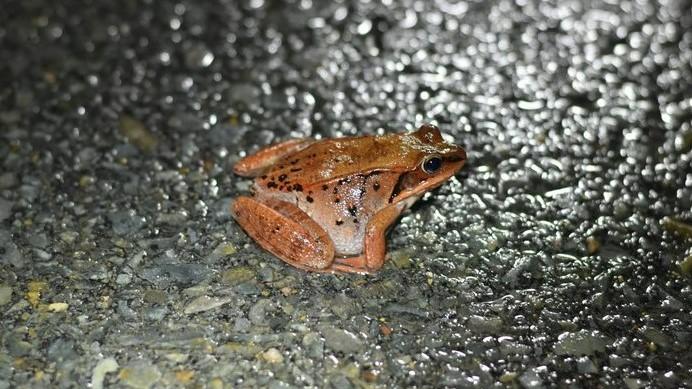
    Yes, we DO want to hear about the salamander on the road that one time. There’s a webinar for that.
    Amphibians and reptiles are among the most threatened species on Earth. Here in Nova Scotia, we have four reptiles listed under our Endangered Species Act.
    Have you ever come across a snake, frog, turtle, or salamander and wondered what species it is? If it’s common or rare? If you should let someone know about it?
    Great news, it’s never been easier to identify a species or submit your sighting to the people working to save these species! The only tool you need is in your pocket right now.
    Join us online on May 4th at 7 pm when we team up with the Mersey Tobeatic Research Institute (MTRI) to showcase the Nova Scotia Herp Atlas. This citizen science project, led by MTRI and hosted on the iNaturalist App, is tracking the distributions of Nova Scotia’s 12 reptile and 13 amphibian species.
    Citizen scientists of all ages and abilities will learn how to identify these species, how to report them, and how that information helps to support their conservation.
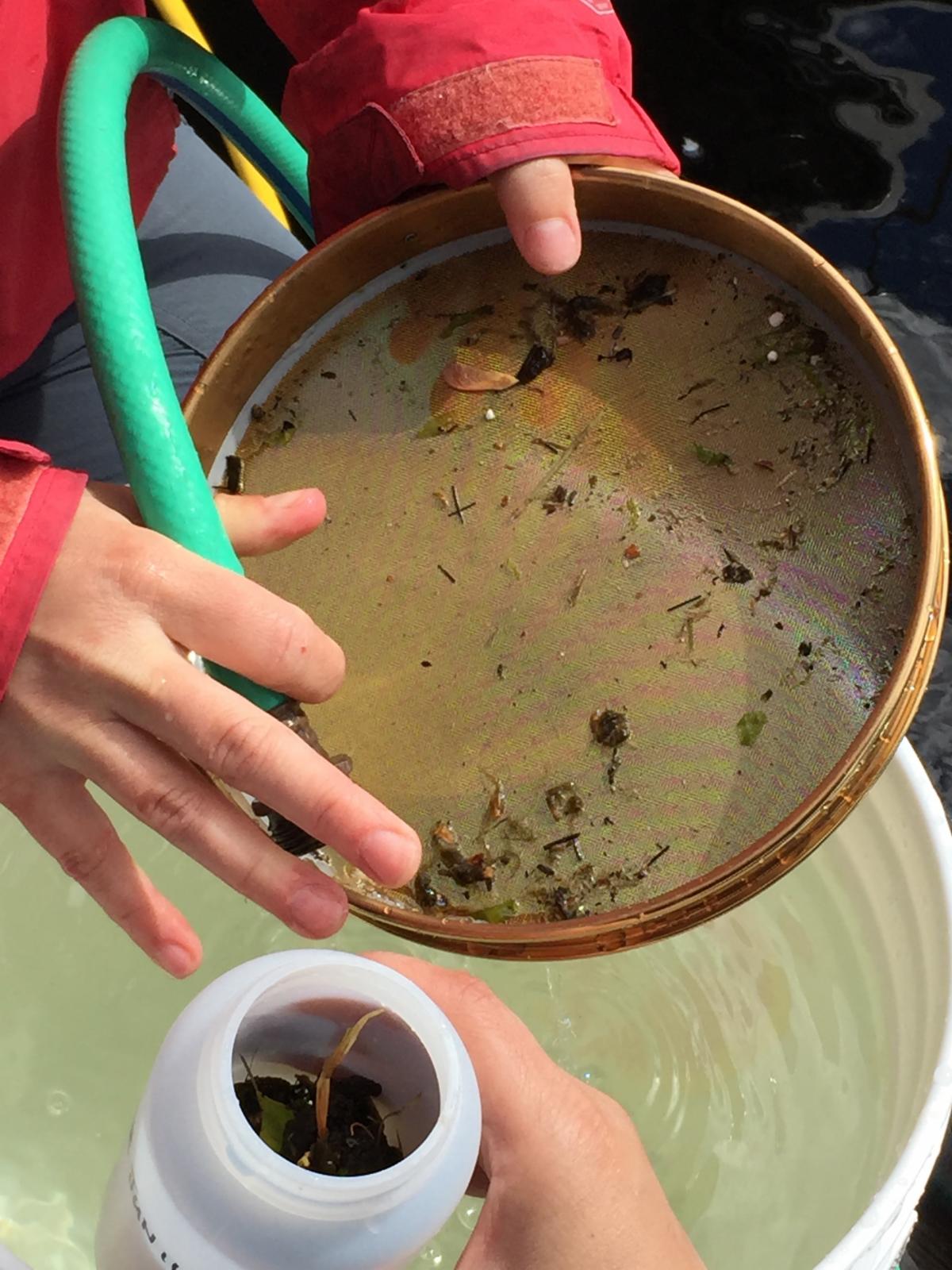
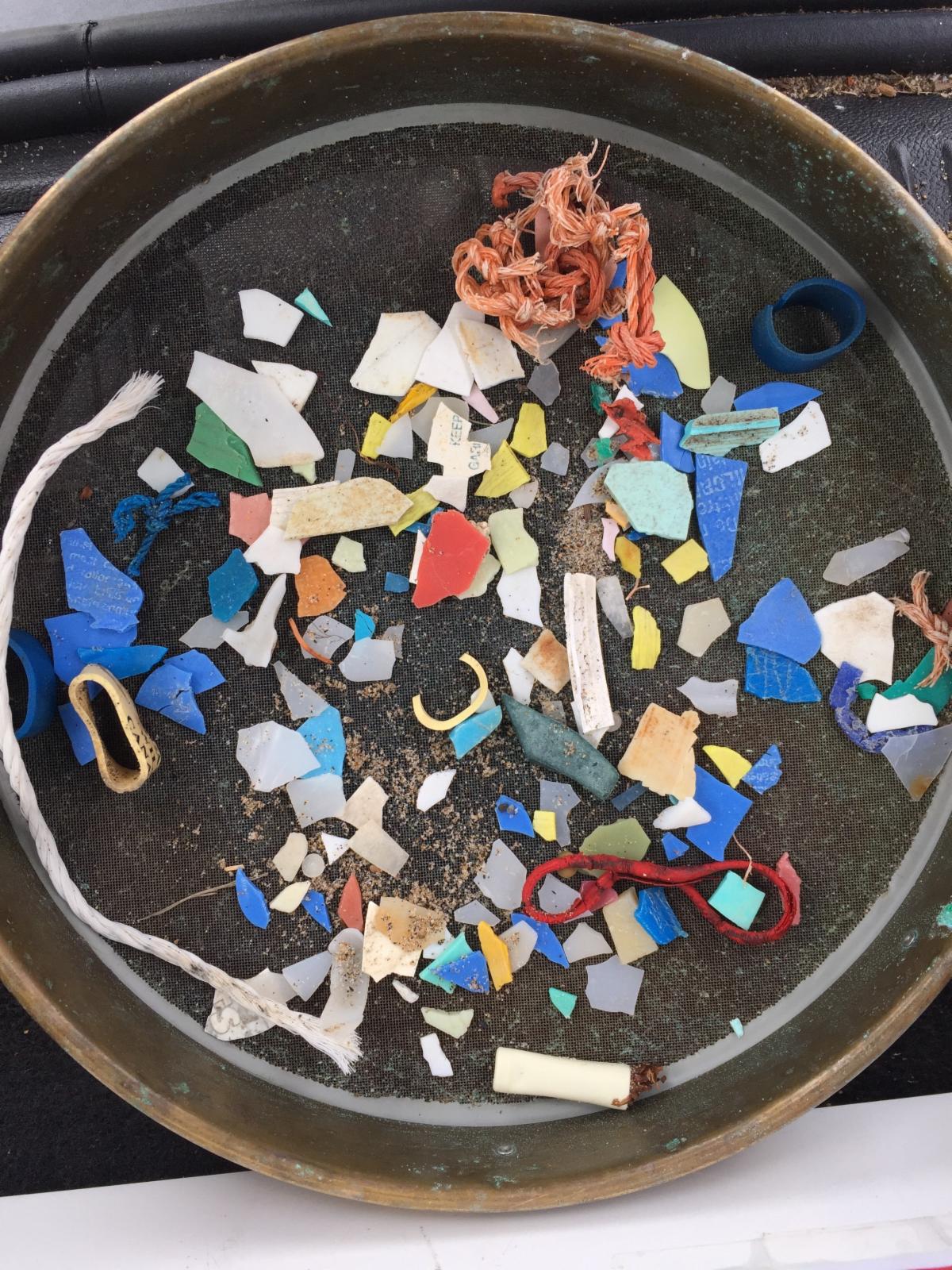
    Exploring the pathways and impacts of microplastics from freshwater to the ocean
    Did you know that microplastics are being collected and studied across the Maritimes? This growing body of research in our region needs to be compiled and shared with the public.
    The University of New Brunswick is leading a collaborative network of partners to explore how microplastics move from freshwater to the coast. A database, focused on the Wolastoq / Saint John River Watershed, is being developed to collect and analyze microplastic data from water, sediment, and aquatic organisms.
    This database will help us explore the pathways and impacts of plastics from the river’s headwaters to the coastal waters of the Bay of Fundy.
    We hope you’ll follow along as we learn more about the impact microplastics have on our culturally and ecologically important species in the Maritimes! This project was undertaken with the financial support of the Government of Canada.
    To learn more and see who is involved in this great initiative, check out the press release!
    When you donate to Coastal Action, you’re helping to conserve the species and ecosystems that make southwest Nova Scotia such a special place, as well as supporting our environmental education and outreach efforts. Over 95% of all donations go directly towards our environmental programming.
  • Read MTRI’s Winter Newsletter

    Read MTRI’s Winter Newsletter

    Many of the wildlife species we study are tucked away for winter but the staff at the Mersey Tobeatic Research Institute are staying warm by working hard! It has been a busy and productive fall and winter here at MTRI. We welcomed two new staff, hosted our annual science showcase, monitored Blanding’s turtle hatchlings, scored old forests, and much more! We hope you enjoy catching up with what we’ve been doing to conserve Kespukwitk, Southwest Nova Scotia.

    Subscribe to the MTRI email list to get these newsletters directly to your inbox!

    Logo

    Winter Newsletter

    Many of the wildlife species we study are tucked away for winter but the staff at the Mersey Tobeatic Research Institute are staying warm by working hard! It has been a busy and productive fall and winter here at MTRI. We welcomed two new staff, hosted our annual science showcase, monitored Blanding’s turtle hatchlings, scored old forests, and much more! We hope you enjoy catching up with what we’ve been doing to conserve Kespukwitk, Southwest Nova Scotia.


    Winter Bat Report

    Bats are one of the leading experts when it comes to coping with cold winters. In preparation for hibernation, bats gain about a third more body weight. As temperatures drop, bats begin to budget their fat reserves using a special technique called torpor. Torpor involves lowering their temperature and slowing their metabolism and heart rate. They maintain this state for 2-3 weeks in periods called torpor bouts. Then they wake up for about 1-2 hours to either drink, eliminate waste, or change spots, before re-entering a deep sleep-like state again for another cycle. They continue this cycle until spring.


    Nova Scotians have reported a few bats during the winter of 2023 so far using www.batconservation.ca. One bat rang in the new year on January 1 by feeding in the backyard of a property located on Stillwater Lake, Halifax County. On January 27, a bat was found inside a home in Scott’s Bay, Kings County, early in the morning and was safely returned outside. Both observations were on unseasonably warm days for January in the province.


    Bats in Atlantic Canada are still at historically low numbers due to the disease White Nose Syndrome. No population rebound has been observed or confirmed, but signs of some summer colonies and reports from the public give bat biologists hope there are some persisting.


    Please report all sightings via the link below. These sightings are used by conservation groups to learn where surviving bats are.

    Report a Bat Sighting
     

    On the Lookout for Old-Growth

    Last summer, MTRI was contracted by Nova Scotia Natural Resources and Renewables to collect old-growth forest data in a variety of forest types. The goal was to provide information on potential new locations of old-growth forests not yet identified in the provincial database. Our staff also gave valuable feedback on the province’s new methods to determine old-growth forests, called an old-growth score.


    Twenty-five potential old-growth forest sites were assessed during the field season in Annapolis and Queens counties on unprotected crown land. Within these sites, 154 plots were surveyed and scored to determine how many old-growth qualities they had. Old-growth forest scoring is calculated by coring and measuring the diameter of some of the trees in the stand, counting the number and size of standing and fallen dead trees, looking for indicator species and assessing potential past disturbance to the forest. Ten of these sites met the provincial criteria to be classified as old-growth and will now be conserved by the province.


    Kespukwitk Conservation Showcase

    MTRI’s Kespukwitk Conservation Showcase took place in November of 2022, at White Point Beach Resort and attracted almost 150 people to come together to learn about and share the exciting stewardship work being done in Kespukwitk/ Southwest Nova Scotia. The Showcase included presentations on species at risk and their habitats, with topics ranging from wetlands to invasive species and stewardship. This was followed by a Community Science Showcase featuring posters and a series of presentations highlighting community science opportunities. A graphic recording was captured by Libby Dean, graphic facilitator, which is shown above and beautifully captures the key themes of the day. If you were not able to attend the Showcase, recordings can be found on our YouTube via the link below. Thank you to everyone who attended and contributed!


    MTRI was excited to host the Showcase, alongside Environment and Climate Change Canada, on behalf of the Kespukwitk Conservation Collaborative, and with added funding from the Nova Scotia Department of Natural Resources and Renewables and the Region of Queens Community Investment Fund.

    Watch Presentations from the Showcase
     

    2022 Blanding’s Turtle Check In

    This year was full of surprises when we were looking for Blanding’s turtles! Some of our nesting females picked some odd spots to try to lay their eggs, leaving us scratching our heads. Did you know turtles can scale rock faces? Well, when it comes to finding the perfect spot for their eggs turtles will do just about anything. It can take more than two decades for the little hatchling to become adults, so we were extremely excited to see Jeffrey, who hatched from a nest protected roughly 20 years ago, return to start nesting herself! Thanks to some dedicated volunteers and the help of the Acadia First Nation Earth Keepers, we were able to successfully protect 27 nests and release 175 hatchlings in the two populations that MTRI monitors.


    The picture above, taken by the enthusiastic volunteer and aspiring herpetologist Justin Dagley shows a newly released hatchling soaking up the sun and taking a well-deserved nap after digging out of the nest cavity. Thanks to the sharp eye of another volunteer, we were able to catch up with a hatchling we released in 2021. The hatchling, now named Ken, had survived the winter and was checking out new areas. We hope to continue helping turtles like Ken make their start in life!


    Nova Scotia’s New Provincial Lichen

    The Blue Felt Lichen is now our official provincial lichen and Nova Scotia has become the first jurisdiction in Canada to have an official provincial lichen. Blue Felt Lichen is a large, blue-grey, leaf-like lichen and often has a scallop-like appearance.


    Lichens are a fascinating partnership, a symbiosis, of fungi and algae or cyanobacteria. The Blue Felt Lichen is a cyanolichen, meaning it has cyanobacteria. Nova Scotia is home to several at-risk lichen species, including the Blue Felt Lichen, which is considered vulnerable, but there are hundreds of other species in the province. Some lichens play a critical part in our native ecosystems by fixing nitrogen from the air into forms that other organisms can use for nutrients.


    The designation of Blue Felt Lichen as our official lichen species is thanks largely to the efforts of Jonathan Riley. Thank you Alain Belliveau and Burke Korol for the photos.


    Welcome, Marie and Cole!

    We are excited to welcome Marie Racioppa and Cole Vail to our MTRI team!


    Marie Racioppa started at MTRI in January 2023 as a Priority Place Engagement Intern. She is originally from Markham, Ontario and obtained a B.Sc. from the University of Toronto and a Master of Environmental Studies from the University of Waterloo. Her previous work focused on using tracking data to inform conservation planning decisions for game bird species including Greater Sage-grouse and Mallards. She loves being outside and spotting unique or rare wildlife, especially when scuba diving or birding.


    Cole Vail is a recent graduate of Dalhousie’s Masters of Resource and Environmental Management (MREM) program, focusing on forest management practices and environmental impact assessments. Before attending the MREM program, Cole completed an Honors thesis studying the vertical zonation of littoral zone lichens and quickly became enamoured with crustose lichens. During his Master’s degree studies, Cole became invested in public outreach and science education; writing on topics ranging from lichens and plants to climate change.


    MTRI is Hiring

    Do you dream of spending your summer out in nature, learning about conservation, gaining research skills and getting paid? Sounds like you would be a good fit for our team. MTRI is hiring multiple Summer Research Technicians and one Lead Research Technician for the summer of 2023. The deadline to apply for either role is March 15, 2023. Visit our website to see both job descriptions and for more information on how to apply.


    Check out MTRI’s Summer 2023 Jobs
     

    Toqlika’ti’kw (Walking Together): March Break Day

    Come out with MTRI and the Ulnooweg Education Centre for an afternoon of free family fun, nature activities and an immersive two-eyed seeing (Etuaptmumk) learning opportunity on Saturday, March 18 from 1-4 p.m at Asitu’l~sk (formerly Windhorse Farm). We will have speakers from MTRI, Ulnooweg, and local communities to talk and host activities about biodiversity, Indigenous knowledge, community science and the guiding principle developed by Mi’kmaq Elder Albert Marshall, Etuaptmumk.


    Etuaptmumk is a perspective of seeing the world that recognizes better outcomes are more likely if we bring two or more perspectives into collaboration, creating balance. With one eye, we view the world through Indigenous ways of knowing and with the other eye, we view the world through Western, or Eurocentric, ways of knowing.


    Our events will include:

    • A guided hike through an old-growth forest

    • An immersive introduction to two-eyed seeing (Etuaptmumk)

    • Nature crafts and kids’ activities

    • Hands-on wildlife education

    • Basket making demonstration

    • Medicine bag demonstration

    • A guided reflection exercise


    For most of our events and activities, you can drop in and participate but some will require advanced registration. Details and sign-up forms will be released closer to the event. You can stay up to date with all the March Break Day updates by following our event on Facebook and Instagram or signing up via the button below.

    Learn More about Asitu’l~sk:
    Stay up to Date
     

    Sit Back Seminars

    On the last Thursday evening of each month, MTRI hosts our Sit Back Seminar. These online talks are a great opportunity to relax after dinner and learn more about nature and wildlife from groundbreaking research, knowledge keepers, and experts from around the region. It’s also a great chance to nerd out with the staff at MTRI! You can stay up to date with our seminars by keeping an eye out for our seminar reminders in your inbox or following MTRI on Facebook and Instagram. You can also check out our YouTube channel, where we post all our past seminars.


    March Sit Back Seminar: Hitchhiker’s Guide to the Microscopic Universe Under the Sea


    When you think of ocean ecosystems, you likely think of fish, seaweed, whales, dolphins, lobsters, or other non-microscopic species! But Rebecca Stevens-Green, Ph.D. Candidate at Dalhousie University, is thinking about what she sees under the microscope – phytoplankton! Phytoplankton are the building blocks of marine ecosystems. They form the basis of the food chain and play a role in our climate by sequestering carbon dioxide from the atmosphere and transporting it to the deep ocean. Join us and Rebecca for our March Sit Back Seminar, Thursday, March 30 from 7-8 p.m., for a talk on the importance of these tiny organisms, how they take up carbon dioxide and how we study the things we can’t see!


    To join our seminar, you can register via the button below or join our Facebook live stream.

    Register for MTRI’s March Seminar
     

    Monarch March

    The Monarch butterfly is an iconic butterfly, with large bright orange wings. Right now, Monarchs are just beginning to emerge from their winter sleep, getting ready to begin the journey north to lay their eggs. It takes roughly three generations of Monarchs to finally reach us in Nova Scotia. The generation that hatches here in the northern region will fly back to Mexico, a 5000-kilometer flight to reach the special forests they spend the winter in. This flight is one of the largest insect migrations in the world!


    MTRI is asking everyone to celebrate the massive flight and to raise awareness for this Endangered butterfly by marching during March. Our goal is to collectively march 5,000 kilometers for this amazing insect. Grab a friend, your coworkers or your pet and head out for a walk, whether it’s one kilometer or ten, it all helps this cause.

    Send us a message on Facebook, Instagram, email or through the reporting form to submit your march for Monarch Awareness. Just let us know how far you marched for monarch awareness! You can submit as many marches as you like and we encourage you to get out every day for fresh air, exercise and for monarchs.


    You can find out more information by messaging MTRI on any of our social media channels, checking out our website or giving us a call at 902-682-2371.


    Let’s march for monarchs together!

    Submit Your March
     

    Conserving Bird Species at Risk on Private Land

    MTRI is looking for volunteers for our new project! Its goal is to help inform woodland management decisions by improving knowledge and understanding about bird species at risk on private land. We need volunteers to help do field surveys, install and retrieve audio recorders, analyze audio data, and document species at risk habitats. Training will be provided through webinars and field trips. Volunteers will learn how to identify birds by sight and sound, recognize suitable habitats for the target species at risk, program and deploy remote audio recorders, check the recorders for species at risk bird calls and map bird locations using a compass and GPS/phone. If you are interested or want more information, please email Dr. Cindy Staicer via the button below or email [email protected]

    Email Dr. Staicer
     

    Thank You For Your Support

    MTRI is lucky to be supported by such passionate and knowledgeable members. Without your support, we would not have the achievements we have today, thank you all for your continued dedication. If you would like to donate to MTRI, a registered charity, and help us continue our work you can send an e-transfer to [email protected] or visit our Canada Helps page via the button below.

    Donate to MTRI
     
    Facebook iconInstagram iconYouTube icon
    Logo

    Copyright (C) 2023 The Mersey Tobeatic Research Institute. All rights reserved.


    Our mailing address is:
    9 Mount Merritt Road, PO Box 215, Kempt, Queens County, NS, B0T 1B0

    Want to change how you receive these emails?
    You can update your preferences or unsubscribe

  • Kespukwitk Conservation Showcase

    Kespukwitk Conservation Showcase

    The Kespukwitk Conservation Showcase took place on November 9th, 2022, at White Point Beach Resort, with 145 participants joining to celebrate the stewardship work occurring in the Kespukwitk/Southwest Nova Scotia Priority Place, one of eleven designated places across Canada for the conservation of Species at Risk (SAR). The Mersey Tobeatic Research Institute and Environment and Climate Change Canada were pleased to host the Showcase, on behalf of the Kespukwitk Conservation Collaborative, with additional funding from the Nova Scotia Department of Natural Resources and Renewables and the Region of Queens Community Investment Fund.

    The Showcase highlighted the importance of connections—to place and to the diverse species and ecosystems in Kespukwitk—and the work that this inspires. The day was opened by Melissa Labrador and her two children, followed by a keynote from Ursula Johnson on Miꞌkmawiꞌsimk, the Mi’kmaq language, and the concept of L’nu. The array of presentations included topics ranging from connectivity and wetlands to prioritization approaches and engagement focused on invasive species and stewardship in agricultural landscapes. The day ended with an evening poster session and a series of presentations on community science and volunteer opportunities at the Community Science Showcase. Key themes are shown in a graphic recording created by graphic facilitator Libby Dean.

    Graphic Recording captured by Libby Dean 

    The Showcase brought together passionate individuals and organizations and highlighted some of the incredible conservation work taking place in Kespukwitk. If you were not able to attend, recordings of both presentations and posters can be found on the Mersey Tobeatic Research Institute’s YouTube page (view recorded talks here). Thank you to all who attended, took part, and contributed; this event would not have been possible without you! 

    Alysha Griffin (she/her)

    Communication and Municipal Outreach Coordinator
    Mersey Tobeatic Research Institute (MTRI)