
RESOURCES FOR
Educators
Find an Educational Resource
This section contains relevant resources for educators seeking information on species at risk and biodiversity conservation in Kespukwitk/Southwest Nova Scotia. This section is a work in progress and will be updated.
Search Resources
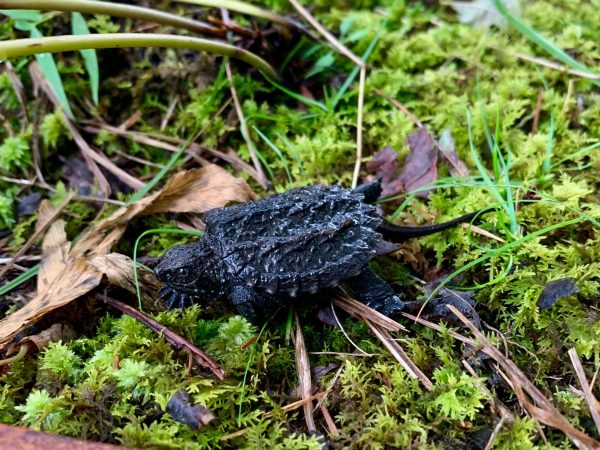
All about the Common Snapping turtle (Chelydra serpentina)
Coastal Action
PowerPoint presentation with speaking notes regarding snapping turtles, taxonomy, range, ID, life cycle, threats, importance, and what you can do to support the species!
Biology 11: Use organisms found in local or regional ecosystems to demonstrate an understanding of the fundamental principles of taxonomy.
Activity Length: 30-60 minutes
Grades: 10, 11, 12
Get the Resource
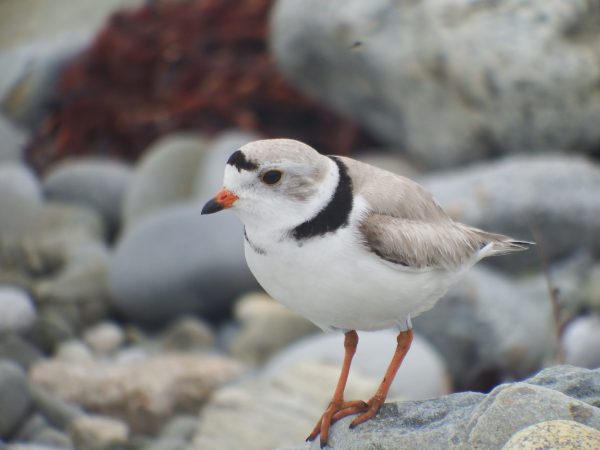
Beach Life Identification Card
Birds Canada
This identification card shows several bird, plant, and marine species found on Kespukwitk beaches for use on field trips. It can also be used as a scavenger hunt checklist or poster.
This could be used in a science class, or as a handout to complement a beach field trip during school or summer camp. Students would learn to identify birds, marine invertebrates, seaweed, and plants.
Activity Length: 60+ minutes
Grades: 4, 5, 6, 7, 8, 9, 10, 11, 12
Get the Resource
Divert NS Lesson Plans
Divert NS
This lesson plan database is created by Divert NS and includes curriculum linked resources for teaching grades P-8 about waste and related topics.
Various
Activity Length: 30-60 minutes
Grades: P, 1, 2, 3, 4, 5, 6, 7, 8
View the Website
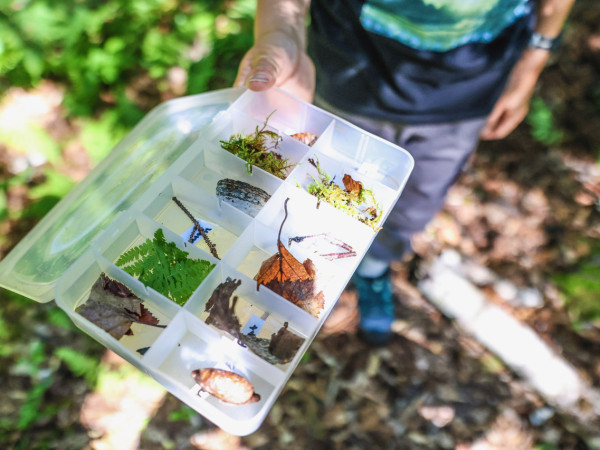
Dozen Touches
Coastal Action
A short activity to get students exploring outside using their senses.
Science Primary: Learners will compare living things through the senses; Learners will investigate materials through the senses.
Science 1: Learners will analyse interconnectedness of living things and the environment.
Science 3: Learners will investigate plants in the environment.
Science 4: Learners will investigate a variety of local natural habitats.
Activity Length: <30 minutes
Grades: P, 1, 2, 3, 4
Get the Resource
Endangered Piping Plovers on Sandy Beaches in Nova Scotia
Birds Canada
A 2-page info sheet about Piping Plover life history, threats, and ways to help them in Nova Scotia. Simple graphics demonstrate key stewardship messaging and a timeline of plover breeding activity on beaches. English and French versions available.
This could be used in a science class, or as a handout to complement a beach field trip during school or summer camp (especially from late April to early August). Students would learn about conservation of endangered species and beach and dune habitats.
Activity Length: 60+ minutes
Grades: 7, 8, 9, 10, 11, 12
Get the Resource
Espaces de repos Video
Birds Canada
Learn about Semipalmated Sandpiper migration and Birds Canada’s Space to Roost program that aims to provide safe spaces for these birds to rest during peak migration in August.
This video could be shared in a science class, or before a beach field trip during school or summer camp (especially from July-Sept). Students would learn about Semipalmated Sandpiper migration, conservation, and stewardship actions.
Activity Length: <30 minutes
Grades: 4, 5, 6, 7, 8, 9, 10, 11, 12
View the Website
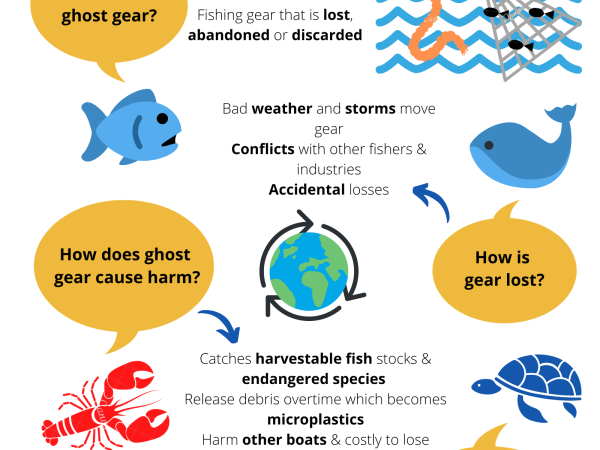
Ghost Gear Info Sheet
Coastal Action
A one-page information sheet about ghost gear for elementary students. Can be used as part of a lesson on ghost gear or put up as a class poster.
Science 4: Learners will investigate a variety of local natural habitats.
Science 5: Learners will investigate weather; Learners will investigate how weather impacts daily life.
Science 6: Learners will analyse diversity of life in nature and significant relationships within the natural world.
Activity Length: <30 minutes
Grades: 2, 3, 4, 5, 6
Get the Resource

Great Plankton Sink Off
Other
Explore the wonderful and diverse world of plankton and get creative by making your very own plankton. Learn about how these (mostly) microscopic organisms survive in the big blue ocean and the vital role they play in the ocean’s food web. This activity is great for all ages.
Science Primary: Learners will test movement of objects, Learners will investigate materials through the senses.
Science 1: Learners will analyse daily and seasonal change in the environment, Learners will analyse interconnectiveness of living things and the environment.
Science 3: Learners will construct a structure in response to a design challenge.
Science 4: Learners will investigate a variety of local natural habitats.
Science 5: Learners will investigate how weather impacts daily life.
Science 6: Learners will analyse diversity of life in nature and significant relationships within the natural world.
Science 7: Learners will investigate factors that affect species adaptation and evolution.
Science 9: GCO – Students will develop the skills required for scientific in technological inquiry, for solving problems, for communicating scientific ideas and results, for working collaboratively, and for making informed decisions.
Activity Length: <30 minutes
Grades: P, 1, 2, 3, 4, 5, 6, 7, 8, 9
Get the Resource View the Website
Le pluvier siffleur : une espèce en péril sur les plages en Nouvelle-Écosse
Birds Canada
A 2-page info sheet about Piping Plover life history, threats, and ways to help them in Nova Scotia. Simple graphics demonstrate key stewardship messaging and a timeline of plover breeding activity on beaches. English and French versions available.
This could be used in a science class, or as a handout to complement a beach field trip during school or summer camp (especially from late April to early August). Students would learn about conservation of endangered species and beach and dune habitats.
Activity Length: 60+ minutes
Grades: 7, 8, 9, 10, 11, 12
Get the Resource

Marine Debris Presentation
University of New Brunswick
A slideshow presentation to teach students about marine debris.
Science 8: Learners will evaluate the impact of human activity on climate change; Learners will formulate a plan to mitigate or adapt to the effects of climate change.
Science 10: Question and analyze how a paradigm shift in sustainability can change society’s views.
Oceans 11: Oceans: Explain the marine biome and describe the biodiversity of ocean life and determine interconnections that exist within the marine biome.
Activity Length: <30 minutes
Grades: 8, 9, 10, 11
Get the Resource
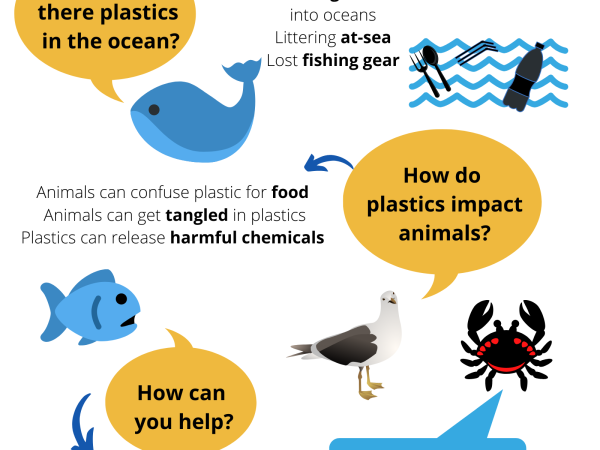
Marine Microplastics Info Sheet (Gr. 1-3)
Coastal Action
A one-page information sheet about marine microplastics for grades 1-3. Can be used in combination with other microplastic resources or put up as a class poster.
Prep Time: <15 minutesActivity Length: <30 minutes
Grades: 1, 2, 3
Get the Resource
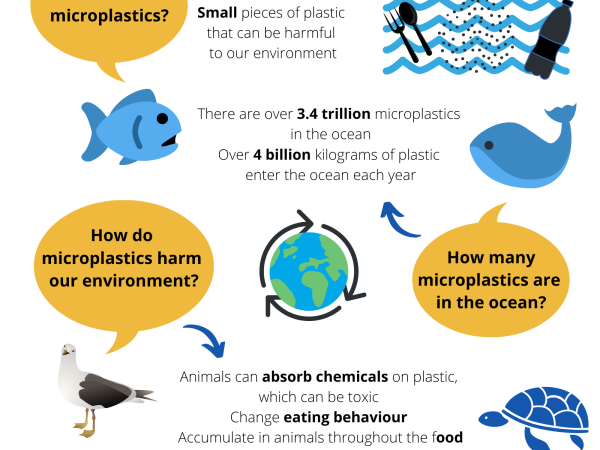
Marine Microplastics Info Sheet (Gr. 4-6)
Coastal Action
A one-page information sheet about marine microplastics for grades 4-6. Can be used in combination with other microplastic resources or put up as a class poster.
Prep Time: <15 minutesActivity Length: <30 minutes
Grades: 4, 5, 6
Get the Resource
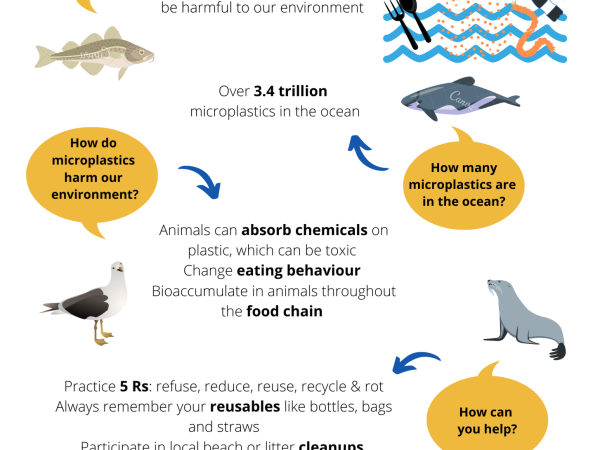
Marine Microplastics Info Sheet (Gr. 7-8)
Coastal Action
A one-page information sheet about marine microplastics for grades 7-8. Can be used in combination with other microplastic resources or put up as a class poster.
Science 7: Learners will investigate factors that affect species adaptation and evolution; Learners will implement an environmental stewardship plan.
Science 8: Learners will evaluate the impact of human activity on climate change; Learners will formulate a plan to mitigate or adapt to the effects of climate change.
Activity Length: <30 minutes
Grades: 7, 8
Get the Resource
Marine Plastic Pollution Presentation (Elementary)
University of New Brunswick
A slideshow presentation to teach elementary students about plastic pollution in the marine environment.
Science 4: Learners will investigate a variety of local natural habitats, Learners will investigate how the Earth’s surface changes over time.
Science 6: Learners will analyse diversity of life in nature and significant relationships within the natural world.
Activity Length: <30 minutes
Grades: 4, 5, 6
Get the Resource
Marine Plastic Pollution Presentation (HS)
University of New Brunswick
A slideshow presentation to teach high school students about plastic pollution in the marine environment.
Science 10: Question and analyze how a paradigm shift in sustainability can change society’s views.
Oceans 11: Oceans: Explain the marine biome and describe the biodiversity of ocean life and determine interconnections that exist within the marine biome.
Global History 12: GCO – Demonstrate an understanding of the interactions among people, places, and the environment.
Activity Length: <30 minutes
Grades: 10, 11, 12
Get the Resource
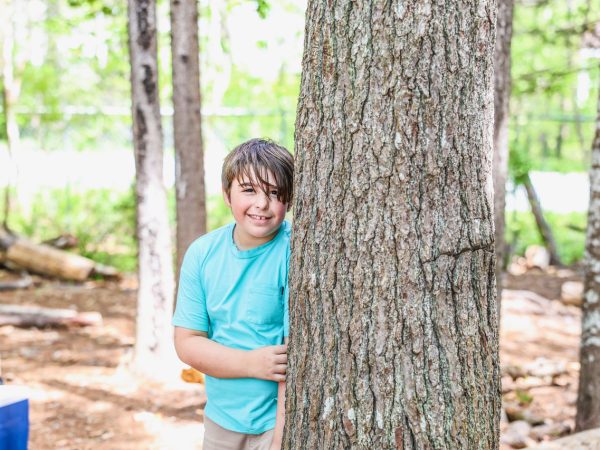
Meet a Tree
Coastal Action
In this outside activity, students will select a tree that they would like to “meet” and then complete the provided journal. It is editable and can be adapted to suit the grade level and learning outcomes.
Science Primary: “Learners will compare living things through the senses, Learners will investigate materials through the senses.”
Science 1: Learners will analyse interconnectiveness of living things and the environment.
Science 2: Learners will analyse the relationship between animal growth and the environment.
Science 3: Learners will investigate plants in the environment.
Science 4: Learners will investigate a variety of local natural habitats.
Science 5: Learners will investigate how weather impacts daily life.
Grade 6: Learners will analyse diversity of life in nature and significant relationships within the natural world.”
Grade 7: Learners will investigate factors that affect species adaptation and evolution, Learners will implement an environmental stewardship plan.
Activity Length: 30-60 minutes
Grades: P, 1, 2, 3, 4, 5, 6, 7
Get the Resource

Microplastics Investigation
Other
Students can investigate microplastics, bioaccumulation, and the interconnection of the environment. Students will refine their research and communication skills while creating innovative solutions to microplastic pollution.
Grade 10: State a prediction and a prediction based on available evidence and background information
Language arts: Examine the ideas of others in discussion to clarify and extend their own understanding
Grade 11 Oceans: Analyze site planning from various perspectives and report on both the risks and benefits to society and the environment, Compare representative marine organisms and communities
Activity Length: 60+ minutes
Grades: 9, 10, 11, 12
Get the Resource
Microplastics: Itty Bitty but EVERYWHERE
ACAP Saint John
A comprehensive lesson plan to teach students about microplastics through educational videos, activities, and discussion questions. There are separate materials for upper elementary (grades 3-5), middle school (grades 6-8), and high school (grades 9-12).
Prep Time: 30+ minutesActivity Length: 60+ minutes
Grades: 3, 4, 5, 6, 7, 8, 9, 10, 11, 12
View the Website
Migration Education & School SwiftWatch
Birds Canada
Learn about migration or Chimney Swifts with Birds Canada’s lesson plans. Discover migration through the science and technology of Motus. Includes Educator Guide, Student-led presentation activity, and student activities for grades 7-12 that integrate the process of tracking birds for conservation.
Students in science classes will learn all about migration, migration technology, and how it can be used for conservation. With School SwiftWatch, they will learn about federally Threatened Chimney Swifts, which call chimneys their home.
Activity Length: 60+ minutes
Grades: 7, 8, 9, 10, 11, 12
View the Website
Native Plant Investigation
Coastal Action
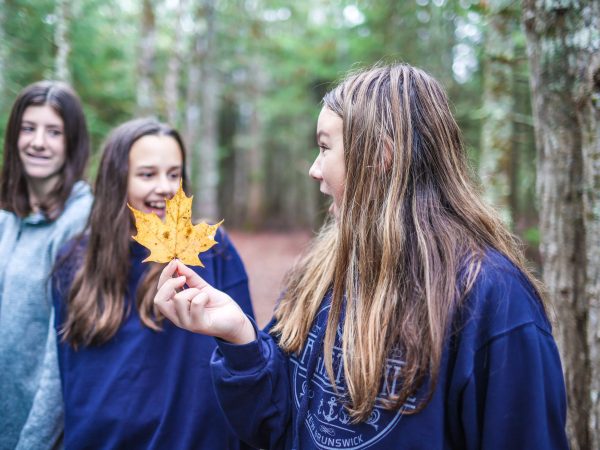
Students choose a native plant species to learn about, including traditional Mi’kmaq uses, ID features, and habitat. Students then share what they learned through a poster or plant walk.
Science 7: Learners will analyze the interconnectedness of living things and the environment, in relation to the concept of Netukulimk.
Social Studies 8: Learners will reflect on 20th and 21st century Indigenous experiences in Canada.
Activity Length: 60+ minutes
Grades: 7, 8
Get the Resource
Piping Plover Fortune Teller: Test your knowledge about Piping Plovers!
Birds Canada
This activity will test knowledge about Piping Plovers using a “fortune teller” format. Students will cut out and fold the fortune teller and ask each other questions. This can be used to complement a presentation or to test recall after a beach walk.
This activity will test knowledge about Piping Plovers using a “fortune teller” format. Students will cut out and fold the fortune teller and ask each other questions. This can be used to complement a presentation or to test recall after a beach walk.
Activity Length: <30 minutes
Grades: 3, 4, 5, 6
Get the Resource
Plastics in the Ocean Info Sheet
Coastal Action
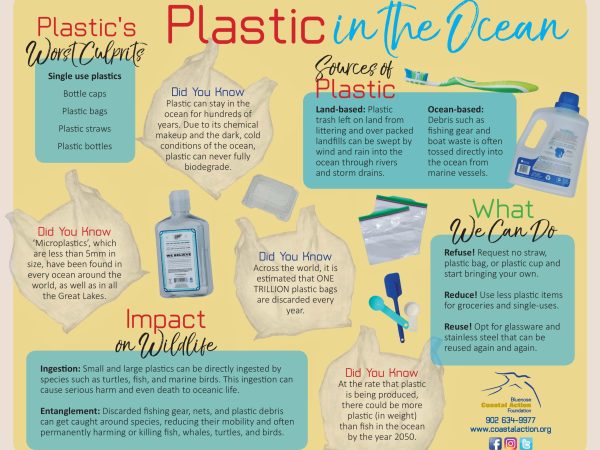
A one-page information sheet about plastics in the ocean. Can be used in combination with other microplastic resources or put up as a class poster.
Science 4: Learners will investigate a variety of local natural habitats, Learners will analyse interconnectiveness of and within local habitats, inclusive of a Mi’kmaw perspective.
Science 5: Learners will analyse how the body functions to meet its needs.
Grade 6: Learners will analyse diversity of life in nature and significant relationships within the natural world
Grade 7: Learners will construct a structure in response to a design challenge, Learners will investigate factors that affect species adaptation and evolution
Grade 8: Learners will evaluate the impact of human activity on climate change, Learners will formulate a plan to mitigate or adapt to the effects of climate change
Grade 10: Predict and analyze the impact of external factors on the sustainability of an ecosystem, using a variety of formats
Activity Length: <30 minutes
Grades: 4, 5, 6, 7, 8, 9, 10, 11, 12
Get the Resource
Red Cabbage pH Experiments
Coastal Action
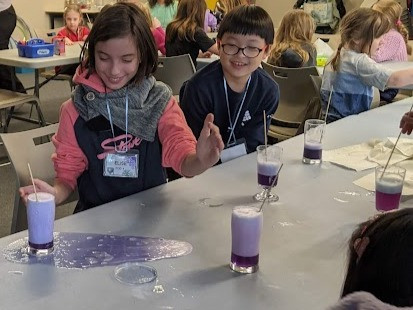
Use this fun, colour changing “potion” to teach students of all ages about acids and bases! There are two experiment options to suit different grade levels.
Science Primary: Learners will investigate materials through the senses.
Science 2: Learners will investigate materials through the senses.
Science 3: Learners will investigate plants in the environment.
Science 5: Learners will test how physical and chemical changes affect the properties of matter.
Science 7: Learners will analyse particle theory in relation to substances in environments.
Science 9: Describe changes in the properties of materials that result from some common chemical reactions.
Science 10: Perform experiments, using appropriate instruments and procedures, to identify substances as acids, bases, or salts, based on their characteristic properties.
Chemistry 12: Explain how acid-base indicators function.
Activity Length: 30-60 minutes
Grades: P, 1, 2, 3, 4, 5, 6, 7, 8, 9, 10, 11, 12
Get the Resource
Search Scopes
Coastal Action
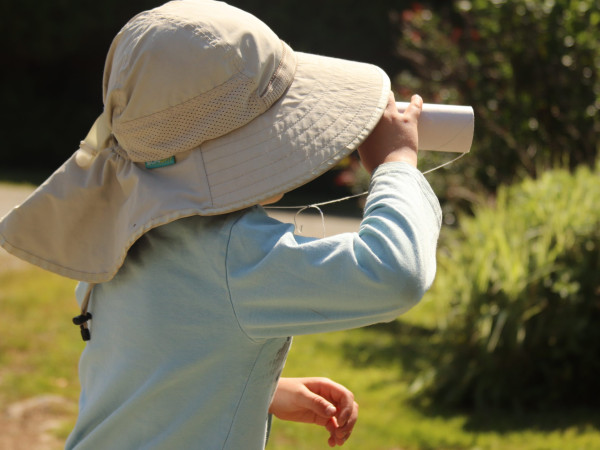
A simple craft to help students engage more deeply with nature by changing the way they interact with their surroundings. It works great for many scavenger hunts and nature immersion activities that focus on sight or searching. It can also be used for games such as “I Spy”.
Science Primary: Learners will compare living things through the senses.
Science Primary: Learners will investigate materials through the senses.
Science 1: Learners will analyse interconnectiveness of living things and the environment.
Science 2: Learners will analyse the relationship between animal growth and the environment.
Science 3: Learners will investigate plants in the environment.
Activity Length: <30 minutes
Grades: P, 1, 2, 3
Get the Resource
Semipalmated Sandpiper Fortune Teller: Test your knowledge about “Semis”
Birds Canada
This activity will test knowledge about Semipalmated Sandpipers using a “fortune teller” format. Students will cut out and fold the fortune teller and ask each other questions. This can be used to complement a presentation or to test recall after a beach walk.
This could be used in a science class, or as a handout to complement a beach field trip during school or summer camp (especially from July-Sept). Students would learn about Semipalmated Sandpiper life history, conservation, and stewardship actions.
Activity Length: <30 minutes
Grades: 3, 4, 5, 6
Get the Resource
Smaller than a Pea
University of New Brunswick
Students will learn about microplastic pollution and its impact on wildlife. Students will use this information to help them understand the properties of microplastic pollution.
Science Primary: Learners will investigate sand and water through the senses, Learners will test motion of objects.
Math Primary: Students will be expected to use direct and indirect measure to solve problems.
Science 1: Learners will analyse interconnectiveness of living things and the environment.
ELA 1: Learners will interact using effective oral language skills considering audience, purpose, and situation; Learners will use a range of strategies to develop effective writing and media products to enhance their clarity, precision and effectiveness.
Science 2: Learners will investigate liquids, solids, and mixtures, Learners will test motion of objects.
Activity Length: 30-60 minutes
Grades: P, 1, 2, 3
Get the Resource
Snappers and Ladders
Coastal Action
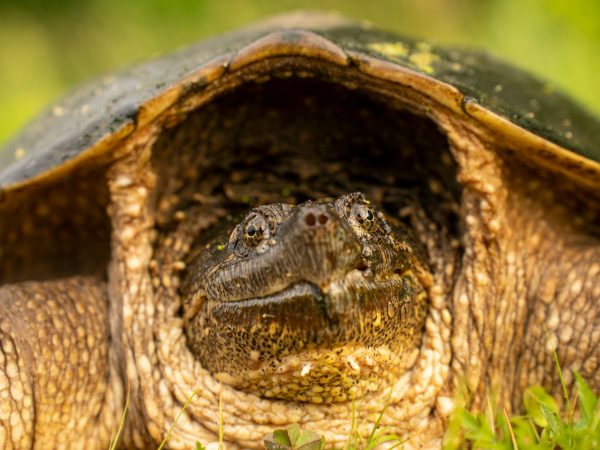
The goal of the activity is to encourage teamwork and collaboration while teaching participants about the life cycle, and threats of snapping turtles.
Science 6: Learners will analyze diversity of life in nature and significant relationships within the natural world.
Science 7: Learners will analyze the interconnectedness of living things and the environment, in relation to the concept of Netukulimk.
Activity Length: 30-60 minutes
Grades: 4, 5, 6, 7
Get the Resource
Space to Roost
Birds Canada
Learn about Semipalmated Sandpiper migration and Birds Canada’s Space to Roost program that aims to provide safe spaces for these birds to rest during peak migration in August.
This video could be shared in a science class, or before a beach field trip during school or summer camp (especially from July-Sept). Students would learn about Semipalmated Sandpiper migration, conservation, and stewardship actions.
Activity Length: <30 minutes
Grades: 6, 7, 8, 9, 10, 11, 12
View the Website
Swim for Cover
Coastal Action
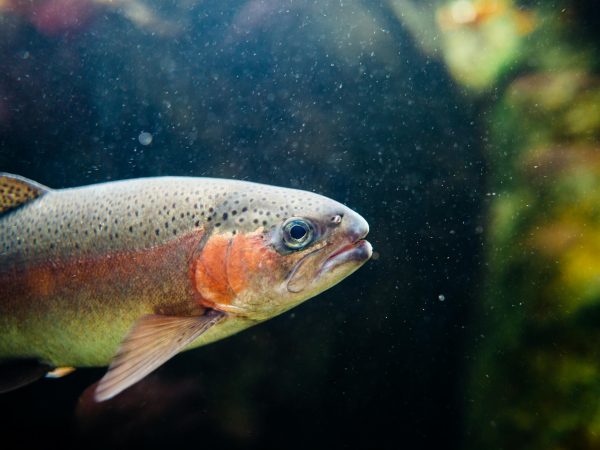
“Swim for Cover!” is an active, outdoor simulation game designed to teach participants about the importance of instream cover for native freshwater fish species.
Science 3: Learners will investigate plants in the environment.
Science 4: Learners will investigate a variety of local natural habitats.
Science 6: Learners will analyze diversity of life in nature and significant relationships within the natural world.
Activity Length: <30 minutes
Grades: 3, 4, 5, 6
Get the Resource
Tree Friends
Coastal Action
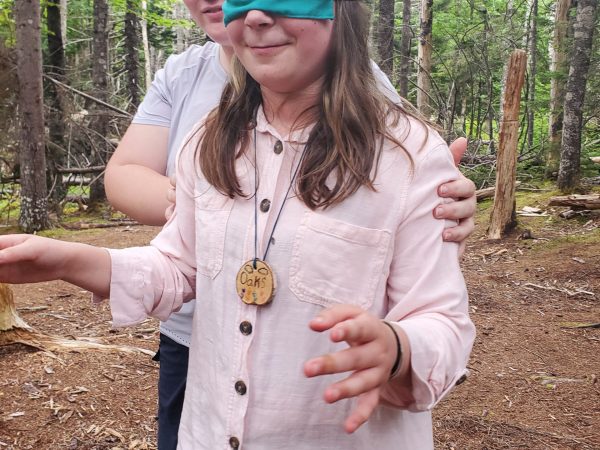
In this outside activity, students take turns getting to know tree friends while blindfolded. This activity encourages students to explore their surroundings using their sense of touch.
Science Primary: Learners will compare living things through the senses; Learners will investigate materials through the senses.
Science 1: Learners will analyse interconnectiveness of living things and the environment; Learners will analyse daily and seasonal change in the environment.
Science 2: Learners will analyse the relationship between animal growth and the environment.
Science 3: Learners will investigate plants in the environment.
Science 4: Learners will investigate a variety of local natural habitats.
Science 5: Learners will investigate how weather impacts daily life.
Science 6: Learners will analyse diversity of life in nature and significant relationships within the natural world.
Science 7: Learners will investigate factors that affect species adaptation and evolution, Learners will implement an environmental stewardship plan.
Activity Length: <30 minutes
Grades: P, 1, 2, 3, 4, 5, 6, 7
Get the Resource
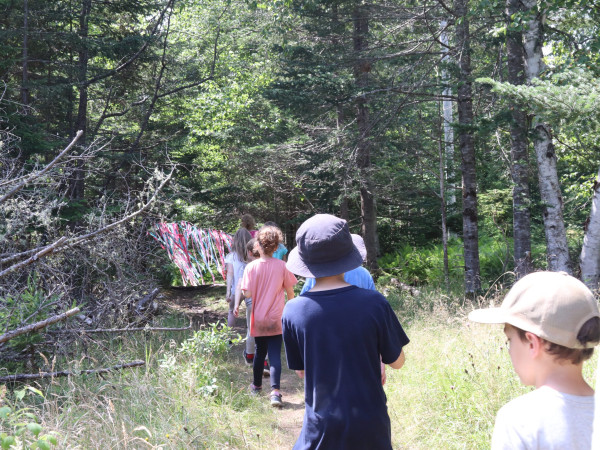
Un-Nature Trail Walk
Other
An activity to understand the difference between natural and unnatural things by camouflaging unnatural objects in nature.
Science Primary: “Learners will compare living things through the senses, Learners will investigate materials through the senses.”
Science 1: “Learners will analyse the interconnectedness of living things and the environment.”
Science 2: Learners will analyse the relationship between animal growth and the environment.
Science 3: Learners will investigate plants in the environment.
Science 4: Learners will investigate a variety of local natural habitats.
Science 5: Learners will investigate how weather impacts daily life.
Science 6: Learners will analyse diversity of life in nature and significant relationships within the natural world.
Activity Length: <30 minutes
Grades: P, 1, 2, 3, 4, 5, 6
Get the Resource
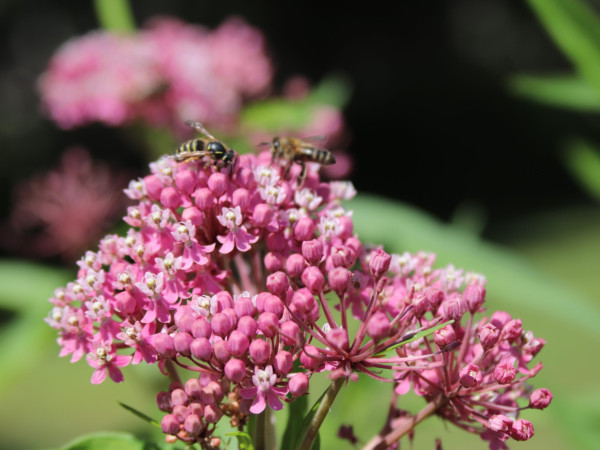
Unusual Pollinator Game
Other
Students may be surprised to learn that all sorts of animals can be pollinators, not just butterflies and bees! In this activity, students will learn about some unusual pollinators!
Science 2: Learners will analyse the relationship between animal growth and the environment.
Science 3: Learners will investigate plants in the environment.
Science 4: Learners will investigate a variety of local natural habitats.
Science 5: Learners will investigate how weather impacts daily life.
Science 6: Learners will analyse diversity of life in nature and significant relationships within the natural world.
Activity Length: <30 minutes
Grades: 2, 3, 4, 5, 6
Get the Resource
Waxed Food Wraps
University of New Brunswick
Make your own waxed cotton food wraps! This idea offers an alternative to plastic food wrap and can be made from scrap cotton and any unscented wax (paraffin, beeswax, old candles). The cloth protects food, keeping it fresh while allowing it to breathe, which can help the food last longer.
Science 7: Learners will implement an environmental stewardship plan.
Science 8: Learners will evaluate the impact of human activity on climate change; Learners will formulate a plan to mitigate or adapt to the effects of climate change.
Science 9: GCO – Students will develop the skills required for scientific and technological inquiry, for solving problems, for communicating scientific ideas and results, for working collaboratively, and for making informed decisions.
Activity Length: 60+ minutes
Grades: 4, 5, 6, 7, 8, 9, 10, 11, 12
Get the Resource
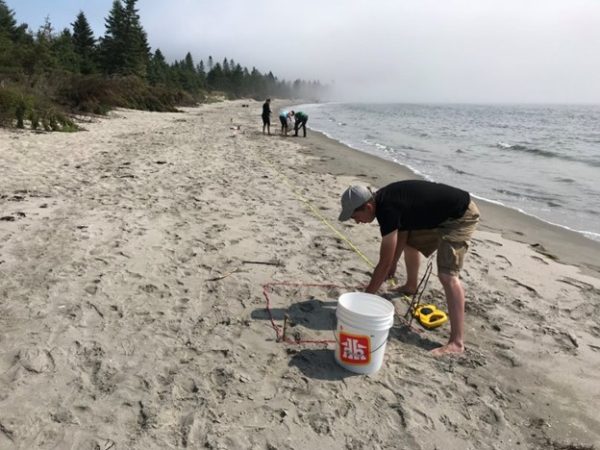
Where Are the Marine Microplastics?
Coastal Action
An activity plan for facilitating a microplastics sampling workshop
Science 10: Predict and analyze the impact of external factors on the sustainability of an ecosystem, using a variety of formats.
Oceans 11: Explain the marine biome and describe the biodiversity of ocean life and determine interconnections that exist within the marine biome.
Activity Length: 60+ minutes
Grades: 10, 11
Get the Resource